Answers to common questions about suspected nests, treatment access and aftercare for properties in Acklam.
LOCAL WASP CONTROL IN ACKLAM
Wasp Nest Removal in Acklam
Noticed wasps repeatedly disappearing beneath your roof tiles, entering a shed or gathering around one part of the garden? CS Pest Busters provides professional wasp nest treatment in Acklam for homeowners, landlords and businesses. We assess the activity and access, explain the suitable options and provide aftercare advice tailored to your property.
Free, no-obligation quotations • Domestic and commercial properties
Local Service
Wasp control for Acklam and surrounding communities.
Assessment-led
Advice and treatment planned around the nest position and property.
Homes and businesses
Support for homeowners, landlords, hospitality and commercial premises.
Professional local help
Wasp nest treatment for homes and businesses in Acklam
A regular stream of wasps using the same opening can indicate a nest concealed within the building or nearby grounds. The entrance may be easy to spot, while the colony itself remains hidden behind a soffit, inside a wall cavity or beneath a shed roof. Trying to expose the nest can disturb the insects and make an otherwise avoidable situation more difficult to manage.
At CS Pest Busters, we provide wasp control in Acklam with the treatment recommendation shaped around the property. We consider where insects are entering, how the surrounding space is used and whether access presents any difficulties. Activity above an infrequently used garage needs a different assessment from a flight path crossing a front door or shared walkway.
Not every nest requires treatment. Where a colony is away from people and can remain undisturbed, leaving it alone may be appropriate. If wasps are affecting access, entering occupied rooms or making part of the property difficult to use, contact us to discuss the activity.
Recognising a possible wasp nest at your property
Wasps visiting flowers, food or outdoor bins do not necessarily have a nest nearby. Repeated movement to one particular opening is a more useful sign than the number of insects seen across the garden.
Repeated flight path
Wasps consistently entering and leaving the same roof edge, vent, crack, hole or patch of ground.
Concentrated activity
More wasps than usual around one loft, shed, outbuilding, bin area or section of garden.
Buzzing in a void
Persistent sound from a ceiling, wall cavity or roof space, especially during warmer daytime conditions.
You do not need to locate the nest itself before contacting us. Explain where the insects are appearing and whether their route passes close to people. Avoid opening panels, moving stored items or climbing towards the entrance to investigate.
How we approach wasp control in Acklam
The position of the colony determines how treatment can be carried out. Our approach brings together identification, access checks, appropriate treatment and clear instructions for the period afterwards.
Initial assessment
We discuss where the wasps are active, how long the activity has been present and any access or safety concerns. A photograph taken from a safe distance can sometimes help with identification before the visit.
Nest and access check
At the property, the technician considers the likely nest position, flight path and surrounding risks. Children, pets, livestock, food preparation areas and public access are all relevant to the treatment plan.
Targeted treatment
Where treatment is appropriate, a professional-use product may be applied to the nest or its active entrance. Some hidden nests are treated through the entry route because physical removal would be unsafe or would require unnecessary damage to the building.
Aftercare advice
You will be told which area to avoid, what level of residual activity may be expected and when to make contact if activity remains significant. Any proofing should be completed only when the colony is inactive, so wasps are not trapped inside the building.
Places worth reporting
Rooflines, building gaps and garden nesting sites
The entry point is useful information when arranging a visit, even when the nest cannot be seen. Tell us whether the activity is at ground level, above an extension or higher along the main roof.
ROOF
Roof spaces, tiles and soffits
Wasps can enter sheltered roof spaces through small gaps around tiles, fascias and soffits. A nest may sit some distance from the opening you can see outside. Avoid entering the loft to search for it or using ladders to inspect the flight path. Describe the roof height and anything beneath the entrance that could affect access.
WALL
Wall cavities, vents and extensions
Repeated activity around an air brick, pipe opening or extension junction can indicate access to a hidden void. Do not fill the gap while the colony is active, as this can redirect insects towards another route. Assessment should take account of adjoining rooms, nearby openings and the construction around the suspected nest.
GARDEN
Sheds, garages and garden areas
Garden buildings, stored equipment, dense planting and old ground holes can offer nesting opportunities. If wasps are repeatedly using one spot, keep clear and avoid moving the surrounding materials. Mention whether the area is beside a seating space, pathway or place used by pets so the technician understands how it affects the property.
Are wasps making an entrance or garden difficult to use?
Keep people and pets away from the activity and leave the entrance undisturbed. Contact CS Pest Busters for advice about the next step and a free, no-obligation quotation.
Acklam and surrounding communities
Local coverage in and around Stockton-on-Tees
We help customers throughout Acklam with wasp activity affecting houses, rented accommodation, gardens and commercial premises. When requesting a visit, provide your postcode and describe the location of the suspected nest. Details such as a narrow side passage, locked rear garden or entrance above a conservatory help us consider access before attending.
Our surrounding coverage includes Linthorpe, Marton, Whinney Banks and Middlesbrough.
If you need help at another nearby address, send us the postcode so we can confirm coverage. For landlords and managing agents, please also explain who will provide access and whether the affected space is shared between properties.
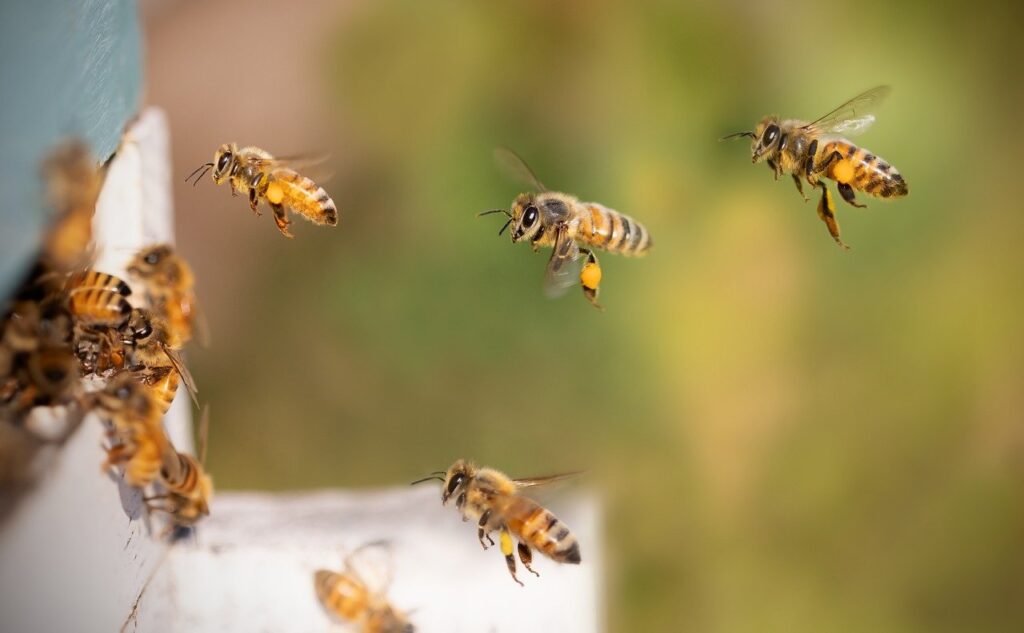
Check whether the insects are wasps or bees
Before arranging treatment, it is important to establish which insects are present. Wasps generally have a smooth appearance, a narrow waist and clear yellow and black markings. Bumblebees tend to look rounder and hairier, while honey bees and other insects can be more difficult to distinguish at a distance. The position of an entrance does not establish the species on its own.
A suspected bee colony needs a different assessment, with treatment considered only as a last resort where there is a significant and unavoidable risk. Avoid spraying insects or sealing their access point while identification is uncertain. If possible, provide a photograph taken from a safe position without approaching the entrance. You can also read our wasp and bee control guide for more information.
Wasp control for domestic and commercial properties
Homes, landlords and managing agents
A nest close to a bedroom window, rear door or communal entrance can interfere with everyday use of a property. We discuss the affected area, access arrangements and any preparation required before the visit. Tenants arranging an enquiry should explain whether their landlord or managing agent needs to be involved.
Wasps can nest at well-maintained properties. A sheltered space with a suitable entrance can be enough, so the presence of a colony does not automatically indicate poor cleanliness or neglect.
Shops, hospitality and workplaces
Wasp activity can affect customer access, staff routes, outdoor seating and storage areas. When contacting us about a commercial property in Acklam, explain your operating hours and whether food preparation, public access or deliveries could influence the visit.
For wider ongoing support, explore our commercial pest-control contracts. Food businesses can also find information about our restaurant pest-control service.
Care after treatment
Maintaining your property after wasp activity stops
Wait until the colony is inactive and follow the technician’s advice before sealing openings or arranging work around the nest site. Blocking an entrance too early can interfere with treatment and cause insects to seek another route. Where repairs are needed, the timing matters as much as the repair itself.
Repair damaged soffits, vents and roofline gaps where appropriate.
Fit suitable insect screening to vents without restricting essential airflow.
Keep outdoor bins closed and clean sugary spillages promptly.
Check lofts, sheds and outbuildings during spring for early activity.
Manage fallen fruit and uncovered food in outdoor seating areas.
For unrelated pest concerns, see our full range of pest-control services.
Wasp nest removal in Acklam FAQs
Should I arrange treatment if the nest is at the bottom of my garden?
The location needs to be considered alongside how the garden is used. A colony well away from paths, seating and neighbouring access may be able to remain undisturbed. The same nest could present more difficulty if children play nearby, pets investigate the entrance or gardening work would disturb it. You do not need to approach the nest to make that decision yourself. Describe the position and the activity when contacting us, including whether anybody must regularly pass it. We can discuss whether professional assessment is appropriate and what information would help before a visit.
Can you treat a nest hidden above my extension?
A hidden nest may be treatable through its active entrance, but the building layout and access need to be assessed first. Explain whether wasps are entering beneath tiles, through a soffit or around the junction between the extension and the main house. It also helps to mention glazing, sloping roofs or other obstacles below the entry point. Treatment does not always require the nest structure to be physically removed, particularly when it sits inside an enclosed void. The technician will explain the appropriate approach and whether any separate access arrangements or later building work need consideration.
What if I cannot tell whether the insects are wasps or bees?
Contact us before attempting any treatment. Wasps and bees can use similar sheltered spaces, and a brief glimpse of an insect entering a hole is not always enough for reliable identification. Describe what you can see from a safe distance, including the insects’ general appearance and where they are active. A clear photograph can help if it can be taken without moving closer or obstructing their route. Avoid opening the nest area, spraying the insects or blocking the entrance. Identifying the species first helps establish whether treatment is appropriate or whether a different response should be considered.
Is it sensible to spray the entrance before the technician arrives?
Leave the area undisturbed and ask for advice before applying a product. Spraying an entrance may disturb the colony without reaching the nest, particularly when it is hidden within a roof or wall. Attempting treatment from a ladder adds further difficulty because you cannot move away easily if insects become defensive. Keep others clear of the flight path and explain any immediate access problems when you call. If you have already used a product, tell the technician what was applied, where and when. That information is relevant to assessing the site and planning any subsequent treatment.
What should I do if I still see wasps after the visit?
Follow the aftercare instructions provided for your particular treatment. Some activity may remain while treatment takes effect, and the appropriate point for reassessment depends on the method used and the circumstances at the property. Watch only from a safe distance and avoid disturbing the entrance to test whether the colony is still active. If activity remains significant beyond the period explained by the technician, contact us with an update. Tell us whether insects are still using the original opening or appearing elsewhere. Do not seal the gap or apply another product while you are waiting for further advice.
Can my children and pets use the garden after treatment?
That depends on the nest position, treatment method and how close the garden’s usable areas are to the affected space. Tell us before the visit about children, dogs, cats and any outdoor animal enclosures so these can be considered in the assessment. The technician will explain which area needs to be avoided and when normal access can resume. Follow those specific instructions rather than assuming the whole garden is immediately available once the visit ends. Keep toys, pet bowls and other items away from the affected area, and ask for clarification if you are unsure about any aftercare instruction.
Can you arrange access through a tenant or business manager?
We can discuss access with the person responsible for the property and the person meeting the technician. When making the enquiry, explain whether you are the homeowner, tenant, landlord, managing agent or business representative. Provide the property address, describe the affected space and identify any restrictions such as locked gates or limited opening hours. For shared entrances and workplaces, it is useful to know who can keep people away from the treatment area. Agreeing these details beforehand helps the visit run smoothly and ensures the relevant person receives the treatment information and aftercare advice.
“Our company aim is to raise the standards of the Pest Management industry through our bespoke and professional service giving our clients peace of mind whatever the circumstances”
Emergency Call
07725 322700
